French Guiana

via Wikipedia: Politics of French Guiana · see source
French Guiana is not a separate territory but is both an overseas région and overseas department of France, with the same government institutions as areas on the French mainland. The administrative center is Cayenne. The President of France appoints a prefect as his representative to head the local government of French Guiana. The Assembly of French Guiana replaced the General Council and the Regional Council in 2016. As of 2020 the prefect is Thierry Queffelec. The President of the Guianese Assembly since 2021 is Gabriel Serville.
- population
- 298,554 (as of January 2024)
Verified Timeline
Lore & Background
Politics in French Guiana were dominated by the Guianese Socialist Party, which has a close association with the Socialist Party in mainland France. A chronic issue affecting French Guiana is the influx of illegal immigrants and clandestine gold prospectors from Brazil and Suriname. The border between the department and Suriname is formed by the Maroni River, which flows through rain forest and is difficult for the Gendarmerie and the French Foreign Legion to patrol. There have been several phases launched by the French government to combat illegal gold mining in French Guiana, beginning with Operation Anaconda beginning in 2003, followed by Operation Harpie in 2008, 2009 and Operation Harpie Reinforce in 2010. Colonel François Müller, the commander of French Guiana's gendarme, believes these operations have been successful. However, after each operation ends, Brazilian miners, known as garimpeiros, return. Soon after Operation Harpie Reinforce began, an altercation took place between French authorities and Brazilian miners. On March 12, 2010, a team of French soldiers and border police were attacked while returning from a successful operation, during which "the soldiers had arrested 15 miners, confiscated three boats, and seized 617 grams of gold... currently worth about $22,317". Garimpeiros returned to retrieve the lost loot and colleagues. "The soldiers fired warning shots and rubber 'flash balls' but the miners managed to retake one of their boats and about 500 grammes of gold." "The violent reaction by the garimpeiros can be explained by the exceptional take of 617 grammes of gold, about 20 percent of the quantity seized in 2009 during the battle against illegal mining", said Phillipe Duporge, the director of French Guiana's border police, at a press conference the next day.
Reader's Guide
The General Council of French Guiana was the deliberative executive assembly and was composed of 19 members who were elected by popular vote to serve six-year terms. It was led by the President of the General Council of French Guiana. The Regional Council of French Guiana was the elected assembly or regional council and was composed of 31 members who were elected by popular vote to serve six-year terms. Guiana elects two senators to the French Senate. The first woman to be elected to the Senate was Marie-Laure Phinéra-Horth in 2020. Guiana also elects two deputies to the French National Assembly. The last elections were held in June 2022. The Decolonization and Social Emancipation Movement has one deputy, Jean-Victor Castor, and La France Insoumise has one deputy, Davy Rimane.
Did You Know?
- The Assembly of French Guiana replaced the General Council and the Regional Council in 2016.
- As of 2020 the prefect is Thierry Queffelec.
- The President of the Guianese Assembly since 2021 is Gabriel Serville.
- On March 12, 2010, a team of French soldiers and border police were attacked by garimpeiros after seizing 617 grams of gold worth about $22,317.
- The first woman elected to the French Senate from Guiana was Marie-Laure Phinéra-Horth in 2020.
Governance & Administrative Framework
French Guiana occupies a distinctive constitutional position: it functions simultaneously as an overseas région and an overseas department of France, meaning it operates under the same governmental institutions as mainland France rather than as a separate territory. Cayenne serves as the administrative heart of the territory, housing the prefecture building where the President of France's appointed representative presides over local governance. As of 2020, that role was held by Thierry Queffelec. The local legislative landscape underwent a major consolidation in 2016, when the Assembly of French Guiana was created, absorbing the functions of both the former General Council and the Regional Council into a single deliberative body. Gabriel Serville has chaired this Assembly since 2021. This structure ensures that Guianese citizens participate in the same republican framework as residents of Paris or Lyon, with a directly appointed prefect bridging the gap between the Élysée and the rainforest.
The Garimpeiro Problem & Border Operations
A defining and recurring challenge for French Guiana is the steady influx of illegal immigrants and clandestine gold prospectors arriving from Brazil and Suriname. The Surinamese border follows the Maroni River, a waterway cutting through dense rainforest that makes sustained patrols by the Gendarmerie and the French Foreign Legion extraordinarily difficult. The French government has mounted several counter-mining campaigns: Operation Anaconda in 2003, Operation Harpie in 2008 and 2009, and Operation Harpie Reinforce in 2010. Gendarmerie commander Colonel François Müller expressed confidence in their results, yet the pattern persisted—garimpeiros returned after each operation ended. The March 12, 2010 clash underscored the volatility: after soldiers arrested fifteen miners, seized three boats, and confiscated 617 grams of gold worth roughly $22,317, garimpeiros came back to reclaim their property. Despite warning shots and rubber flash balls, the miners recovered one boat and about 500 grams of gold. Border police director Philippe Duporge explained the ferocity of the response by noting that single seizure represented roughly 20 percent of all gold confiscated during the entire 2009 campaign.
Parliamentary Voice in Paris
French Guiana sends two senators to the French Senate and two deputies to the National Assembly, granting the territory a direct legislative voice within the Republic. For decades, the political scene was dominated by the Guianese Socialist Party, which maintained a close association with the Socialist Party on the mainland. In 2020, Marie-Laure Phinéra-Horth broke a barrier by becoming the first woman ever elected to represent Guiana in the Senate. At the National Assembly level, the June 2022 elections yielded a notably diverse pair of deputies: Jean-Victor Castor, representing the Decolonization and Social Emancipation Movement, and Davy Rimane, a member of La France Insoumise, each securing one of the two available seats. This combination of decolonial and radical-left representation signals a shift away from the traditional center-left dominance that once defined Guianese politics, reflecting the territory's evolving and distinctly local political identity within the broader French parliamentary system.
Institutional Consolidation & the Assembly
Prior to 2016, French Guiana's local governance was divided between two separately elected bodies. The General Council, composed of 19 members serving six-year terms, handled departmental affairs, while the Regional Council, with 31 members elected on the same six-year cycle, addressed broader regional policy. Both were deliberative assemblies chosen by popular vote, each led by its own president. In 2016, these two institutions were merged into a single entity—the Assembly of French Guiana—streamlining what had been a duplicated legislative structure so that one body now manages both departmental and regional competencies. The Assembly is headed by its president, a role occupied by Gabriel Serville since 2021. On the executive side, local government remains anchored in Cayenne, where the prefect—appointed directly by the President of France—oversees administration from the prefecture building, ensuring continuity with the metropolitan French state and its institutions.
Gallery
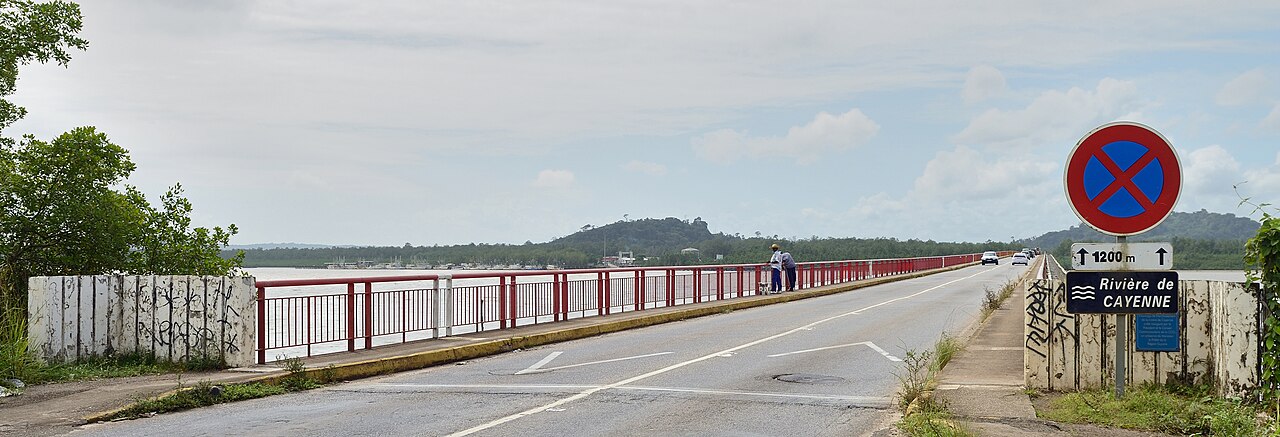
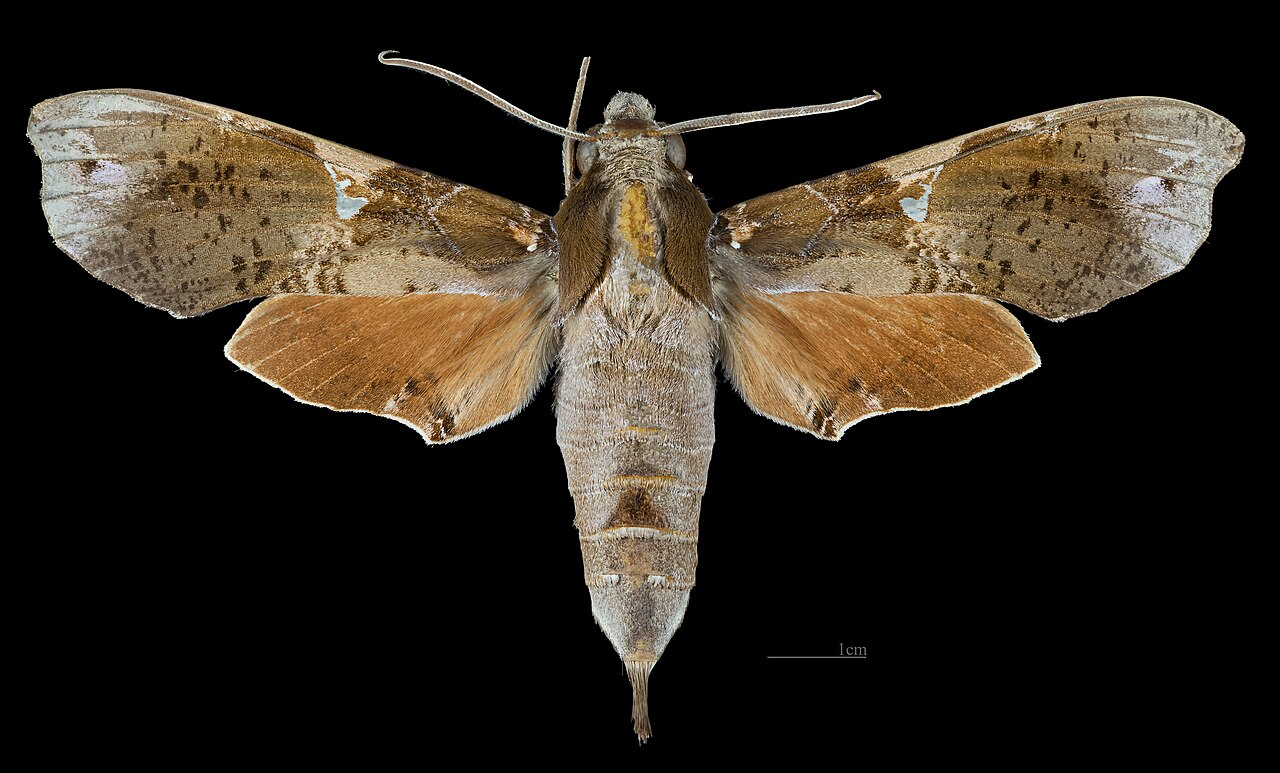
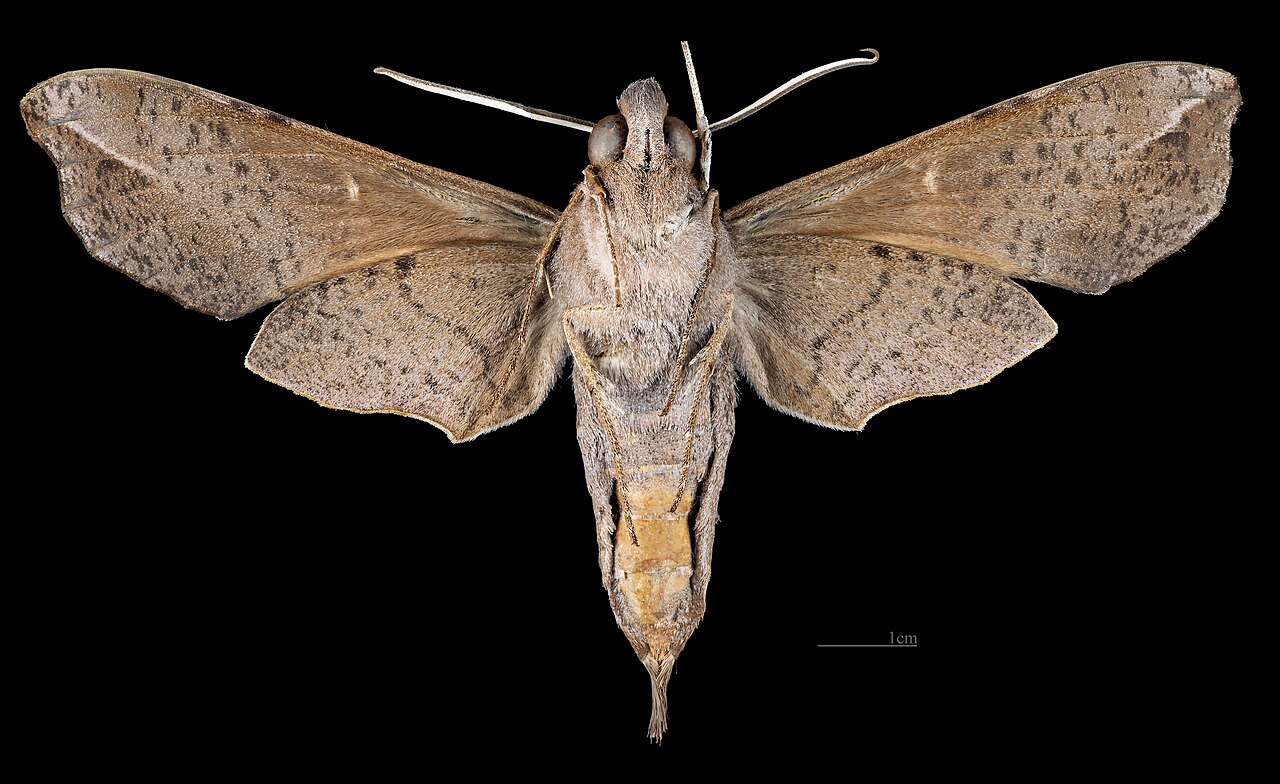
Frequently Asked Questions
What is French Guiana?
French Guiana (Guyane) is an overseas department and region of France situated on the northern coast of South America. It is the only territory on the American mainland that remains under the sovereignty of a European nation.
Why is French Guiana politically significant?
It is the second-largest region in France and the largest outermost region within the European Union. Since 1946 it has been fully integrated into the French Republic, governed by French law and represented in the national legislature.
What is French Guiana's connection to space exploration?
The territory hosts the Guiana Space Centre, which serves as the European Space Agency's primary launch site. This facility is a major pillar of the local economy and gives French Guiana a central role in Europe's space program.
How big is French Guiana's population?
As of January 2024, French Guiana had a population of roughly 298,554 people, spread across a territory that is the second-largest of all French regions.
How does French Guiana differ from other French overseas territories?
Unlike many other overseas collectivities, French Guiana is fully integrated as both a department and a region within the French Republic rather than holding a separate administrative status. It also uniquely sits on the continental Americas, making it the only European-governed landmass on that side of the Atlantic.
More in Miscellaneous 1-24
Elsewhere in the Miscellaneous universe
Spotted an error? Know more?
This is a living reference — every entry is fact-audited, and reader corrections feed straight into our audit queue. Suggest an edit · See this site's audit record