
Automaton
Self-operating machines designed to follow predetermined instructions.

National Museum of American History · CC0
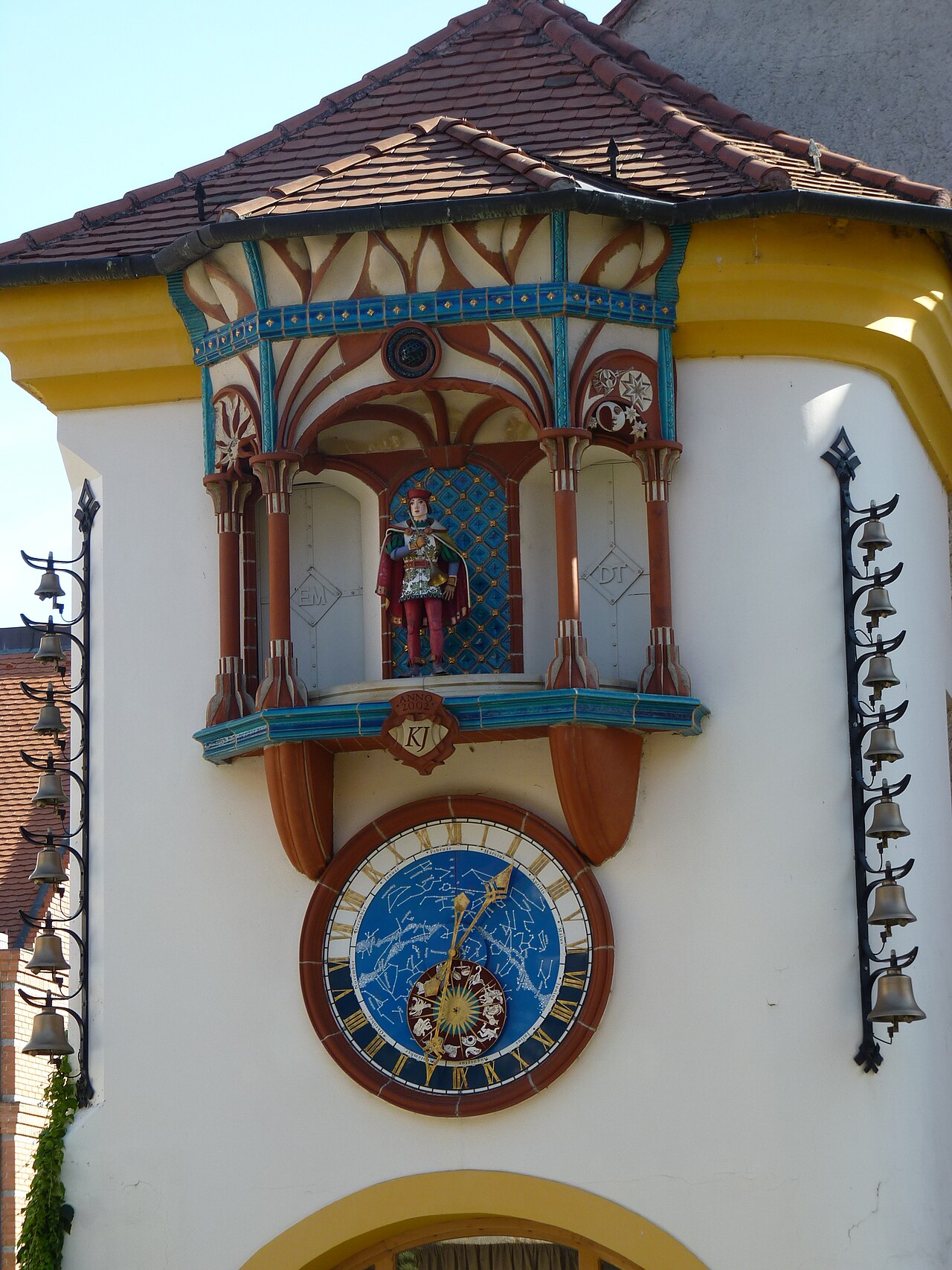
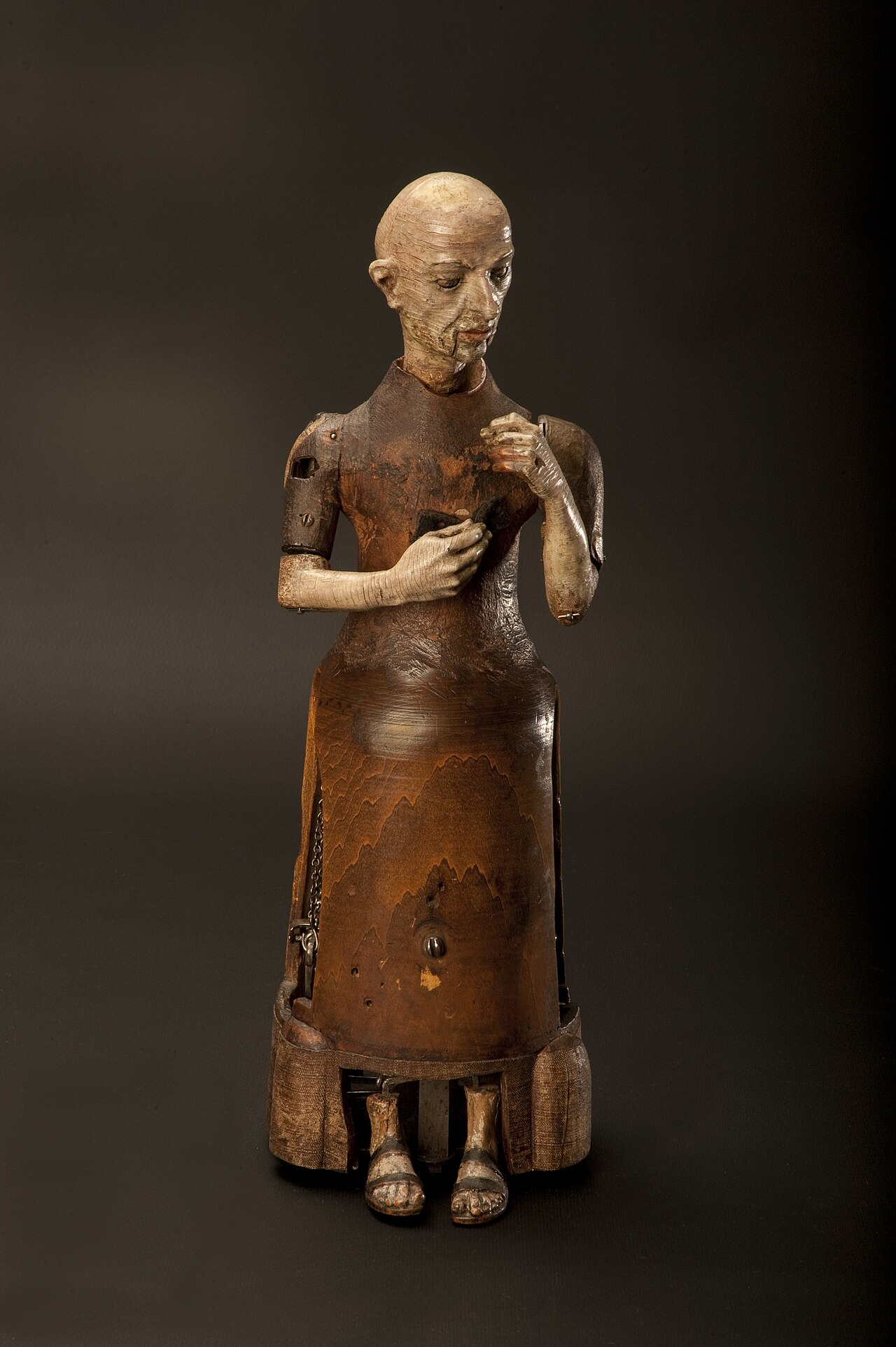
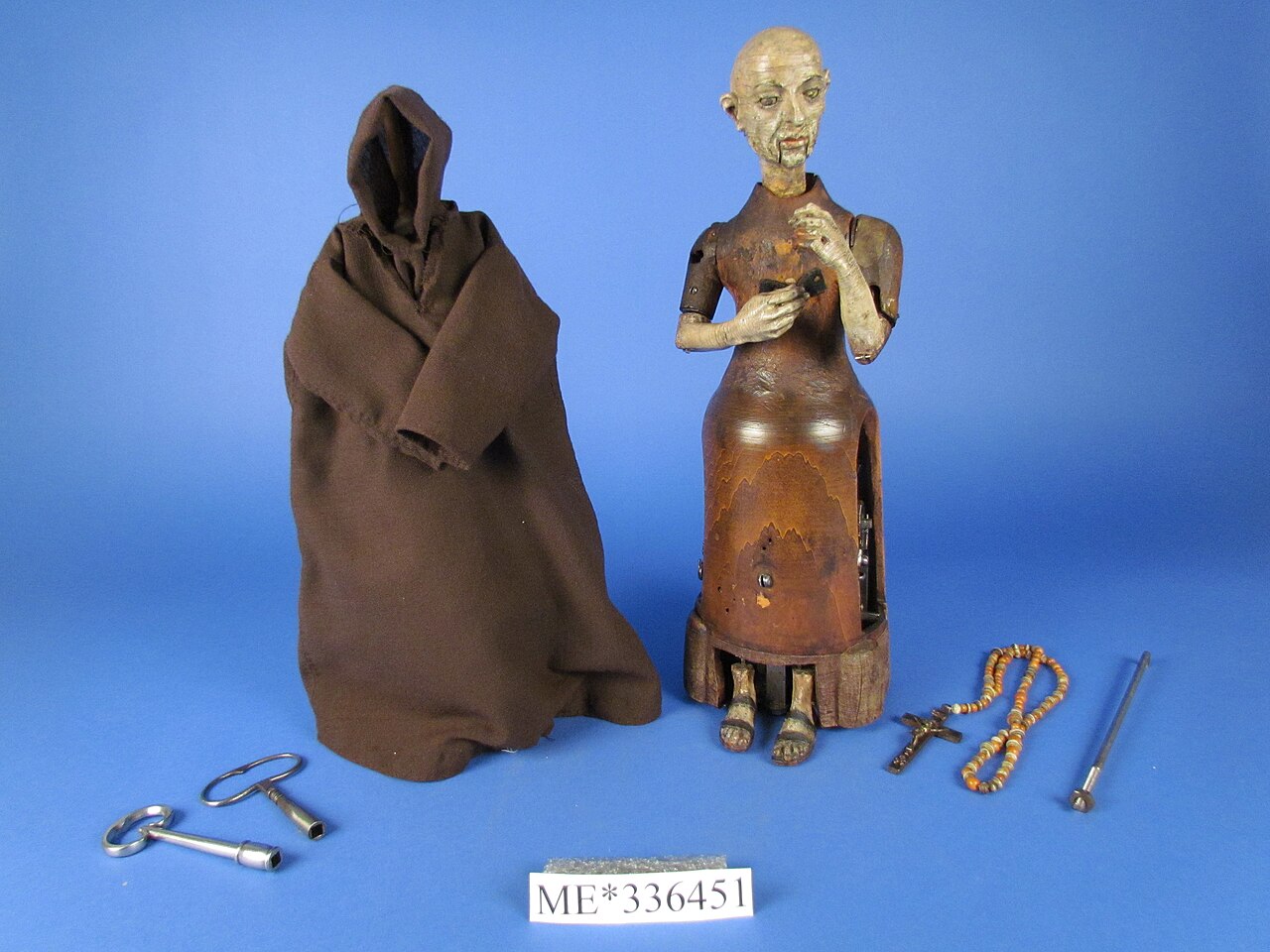
An automaton is a relatively self-operating machine or control mechanism designed to automatically follow a sequence of operations or respond to predetermined instructions. The term has long been associated with automated puppets resembling moving humans or animals, built to impress and entertain. Animatronics are a modern type of automata with electronics, often used in films and theme park attractions.
- field
- Mechanical engineering, robotics, entertainment
- known_for
- Self-operating machines, automated puppets, early analog computers
- earliest_known_example
- Antikythera mechanism (Hellenistic Greece)
- notable_ancient_inventors
- Ktesibios, Hero of Alexandria, Philo of Byzantium, Archytas
- notable_medieval_inventors
- Banū Mūsā brothers, Al-Jazari
Lore & Background
Automata appear in Greek mythology, such as Hephaestus' workshop creations, Talos the bronze man, and King Alkinous' gold and silver watchdogs. In the Hellenistic world, water-powered automata were built by Ktesibios, who used water to sound a whistle and make a model owl move—an early water-driven novelty, though not a 'cuckoo clock' in the modern sense. Hero of Alexandria described siphons, a fire engine, a water organ, the aeolipile, and a programmable cart. The Antikythera mechanism, the earliest known analog computer, survives from this period, possibly from Rhodes (though its exact origin remains debated).
Medieval automata include those in the Byzantine emperor Theophilos' palace, described by Liutprand of Cremona in 949: roaring lions, singing birds on a gilded bronze tree, and a rising throne. In the Islamic world, the Banū Mūsā brothers invented a programmable automatic flute player in the 9th century. Al-Jazari in 1206 designed a boat with four automatic musicians and a programmable drum machine, as well as a hand washing automaton with a flush mechanism and a peacock fountain with humanoid servants offering soap and towels.
Reader's Guide
Automata represent a long tradition of mechanical ingenuity, blending art, science, and entertainment. From ancient Greek water-powered devices to medieval Islamic programmable musicians, these machines demonstrated early principles of automation and control. The Antikythera mechanism shows sophisticated analog computing existed in antiquity. Automata also served religious, ceremonial, and practical purposes, such as King Solomon's throne with mechanical animals or Al-Jazari's hand washing device with a flush mechanism. Their legacy continues in modern animatronics used in films and theme parks, and in the broader field of robotics. The term itself, from Greek meaning 'acting of one's own will', reflects the enduring human fascination with creating machines that appear to move or act independently.
Did You Know?
- The word automaton is the latinization of the Ancient Greek automaton, meaning 'acting of one's own will', first used by Homer to describe automatic door opening.
- The Antikythera mechanism is the earliest known analog computer, thought by some to have come from Rhodes, though its origin remains uncertain.
- Al-Jazari's 1206 programmable boat with four automatic musicians used a drum machine with pegs that could be moved to change rhythms.
- In ancient China, the Lie Zi text describes a life-size human-shaped automaton built by Yan Shi for King Mu of Zhou, with artificial internal organs.
The Mechanical Musician
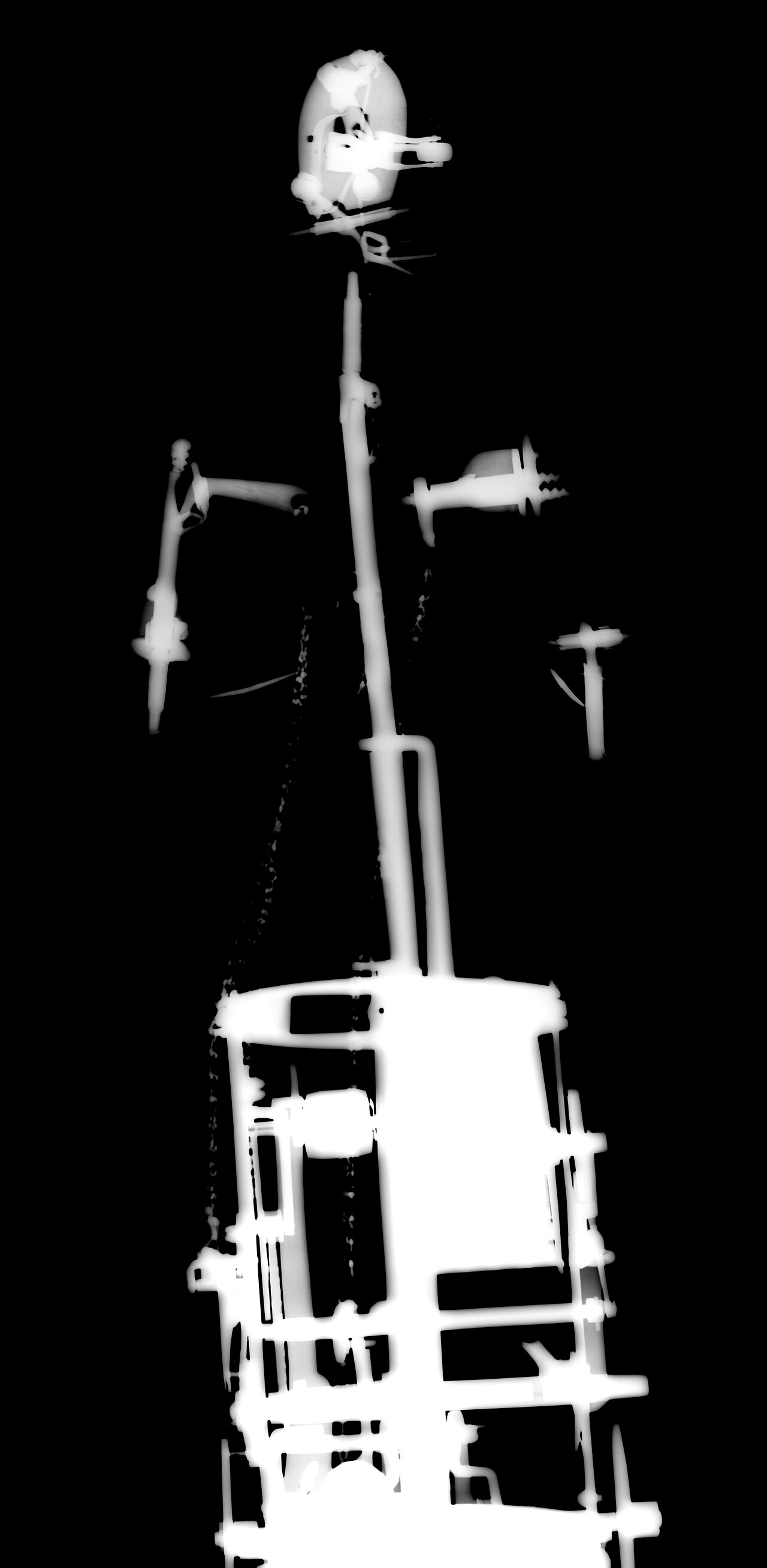
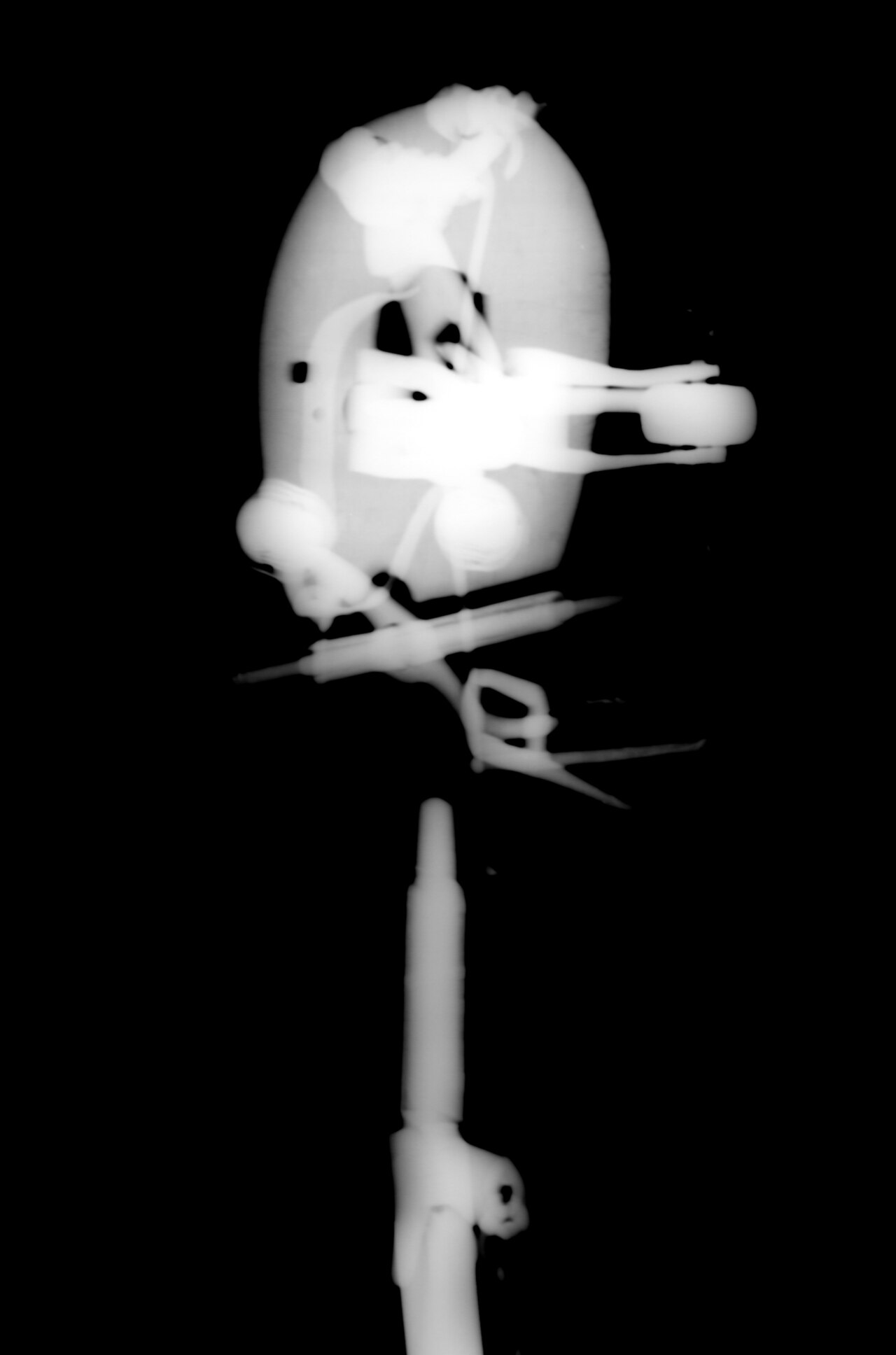
In 1840, the young Manzetti brought to life a full-sized humanoid figure perched on a chair, capable of playing the flute with startling conviction. Beneath the polished exterior lay an intricate network of levers, connecting rods, and compressed-air tubing that drove the automaton's lips and fingers in precise coordination. A rotating cylinder—functioning much like the mechanism behind player pianos—encoded the performance program, while clockwork supplied the driving force. The machine could render twelve distinct arias, and its showmanship extended beyond mere sound: it would rise from its seat, lower its head in a bow, and even roll its eyes for the audience. Manzetti later expanded the automaton's repertoire by muting the keys of an organ and routing their motion directly to the figure's fingers, allowing it to mirror whatever a musician played in real time. This creation became the centerpiece of his public demonstrations and the foundation upon which he would later attempt to graft the power of human speech.
The Speaking Telegraph Controversy
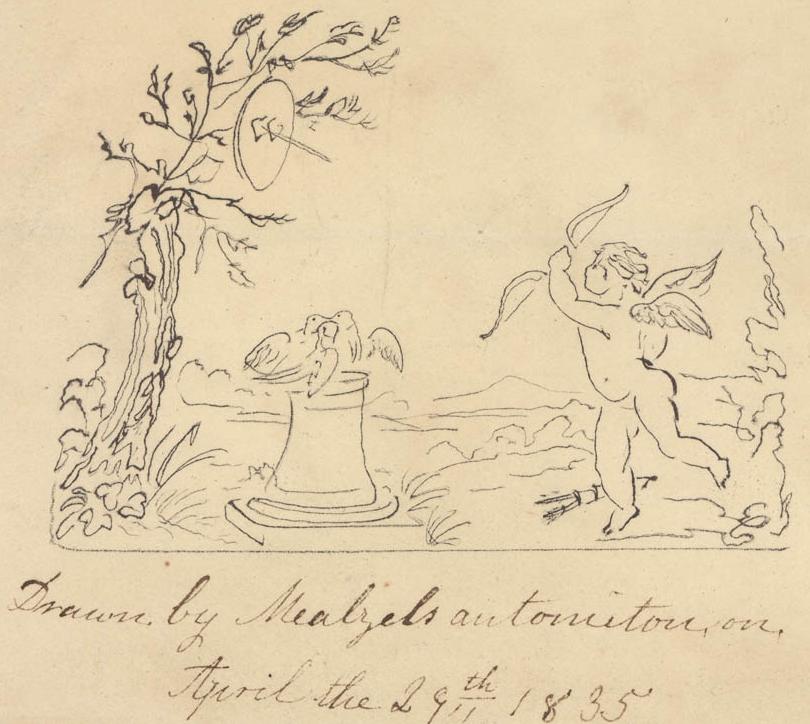
In 1843, Manzetti first sketched the concept of a 'speaking telegraph'—a device to carry the human voice over wire—but shelved the idea for two decades. By 1864, driven by his desire to give his automaton the ability to speak, he reportedly revived the project. On 22 November 1865, the Parisian paper Le Petit Journal published a description attributed to him, noting the apparatus could reproduce music and loudly spoken vowels with clarity, though softly spoken words remained elusive. The article envisioned merchants in London and Calcutta negotiating business instantly over telegraph lines. Earlier that August, La Feuille d'Aoste had reported that English technicians had been shown the method. Yet no historical record confirms any British implementation of such a device in that era; the UK's first telephone demonstrations did not arrive until A.G. Bell's 1877 presentation to Queen Victoria. Bell's own working model dates to March 1876, and his initial conception to July 1874 in Canada. Despite persistent rumors of intellectual theft, no documentary evidence links Bell or any other inventor to Manzetti's work.
A Polymath's Workshop
Manzetti's inventive output stretched far beyond his famous automaton. In 1855, he designed a hydraulic machine that drained the flooded wells of the Ollomont Mines, rendering them operable for the first time. In 1864, he built a steam-powered automobile—some twenty-seven years before Léon Serpollet's celebrated Parisian vehicle—and adapted that same steam technology to construct what is described as the first Zamboni. His workshop also produced a bicycle, a piano, a specialized pantograph for carving bas-reliefs into ivory, marble, or wood, and a telescope employing three converging lenses capable of resolving motion at distances exceeding seven kilometres. A pendulum clock he designed required winding only once per year. Even in his personal life, invention was playful: he crafted a wooden parrot for his daughter that flapped its wings, reportedly lifted into the air, and hovered for two or three minutes before alighting on a shelf. These varied machines, spanning hydraulics, transportation, optics, horology, and entertainment, paint a portrait of a restless engineer whose curiosity knew no single discipline.
A Life in the Shadow of Genius
Born in Aosta on 17 March 1826, Innocenzo Vincenzo Bartolomeo Luigi Carlo Manzetti received his early education at the Jesuit-run Saint Bénin Boarding School before earning a diploma in land surveying in Turin. He returned to his Alpine hometown, where his work as a surveyor demanded the geodetic instruments he would go on to design himself. In 1864 he married Rosa Sofia Anzola, and their first child, Maria Sofia, was born only to die in 1867 at the age of two. The family's later years brought further sorrow: his second and final daughter, Marina Fortunata, also passed away, and Manzetti followed her in death on 15 March 1877, just two days short of his fifty-second birthday. He died in Aosta, in poverty and largely unacknowledged by the wider world. The man who had conceived a telephone two decades before Bell's working model, who had built a steam car nearly three decades before Serpollet, and who had captivated audiences with a clockwork flute player, met his end in obscurity. His legacy endured only through scattered newspaper reports and the quiet memory of those who had witnessed his machines in motion.
Gallery
Frequently Asked Questions
What is an automaton?
An automaton is a self-operating machine or mechanism that carries out a fixed sequence of actions without needing continuous human input. The idea stretches back to ancient times, when craftsmen built moving figures resembling people or animals purely for spectacle and wonder.
What is the earliest known automaton?
The Antikythera mechanism, recovered from a shipwreck off a Greek island, is the oldest identified example. Dating to the Hellenistic period, it functioned as an analog computer that tracked astronomical cycles through interlocking gears.
Who were the most notable ancient and medieval automaton builders?
Greek and Hellenistic engineers such as Ktesibios, Hero of Alexandria, Philo of Byzantium, and Archytas are credited with pioneering self-operating devices. In the medieval Islamic world, the Banū Mūsā brothers and Al-Jazari continued the tradition with elaborate clockwork and hydraulic contraptions.
How do automata differ from modern robots?
Traditional automata follow a rigid, pre-programmed sequence of movements and cannot adapt to new situations. Modern robots use sensors and software to make real-time decisions, whereas animatronics—still a direct descendant of the automaton—rely on electronics to drive predetermined motions in theme parks and films.
Where are automata used today?
The most visible modern application is animatronics, where electronically powered figures perform scripted actions in movies, television, and theme-park rides. The underlying engineering principles also feed into robotics, mechanical control systems, and industrial automation.
More in Miscellaneous 1-24
Elsewhere in the Miscellaneous universe
Spotted an error? Know more?
This is a living reference — every entry is fact-audited, and reader corrections feed straight into our audit queue. Suggest an edit · See this site's audit record